

With busy schedules, so much to fit into a single day, and minds that can’t quieten down, we tend to treat sleep as an afterthought, a luxury that just happens rather than something you can take steps to improve. With a PhD in sleep science, I spend my days figuring out what really makes a difference versus what’s just good marketing. With so much noise out there these days, it’s hard to know what actually works. Here are six products that I’d actually recommend.
1. A Full-Blackout Sleep Mask
Darkness is one of the strongest cues your body uses to start producing melatonin, the signal to your brain that it’s time to sleep. Even low levels of light at night, a phone charging light or a streetlamp through the curtains, can interfere with sleep. I’m sure you have tried those flat, flimsy travel masks, and you know they let light leak around the nose and eyes. That’s why recommendation #1 is a true blackout, contoured eye mask that blocks every drop of light. Plus, it’s actually comfortable to wear.
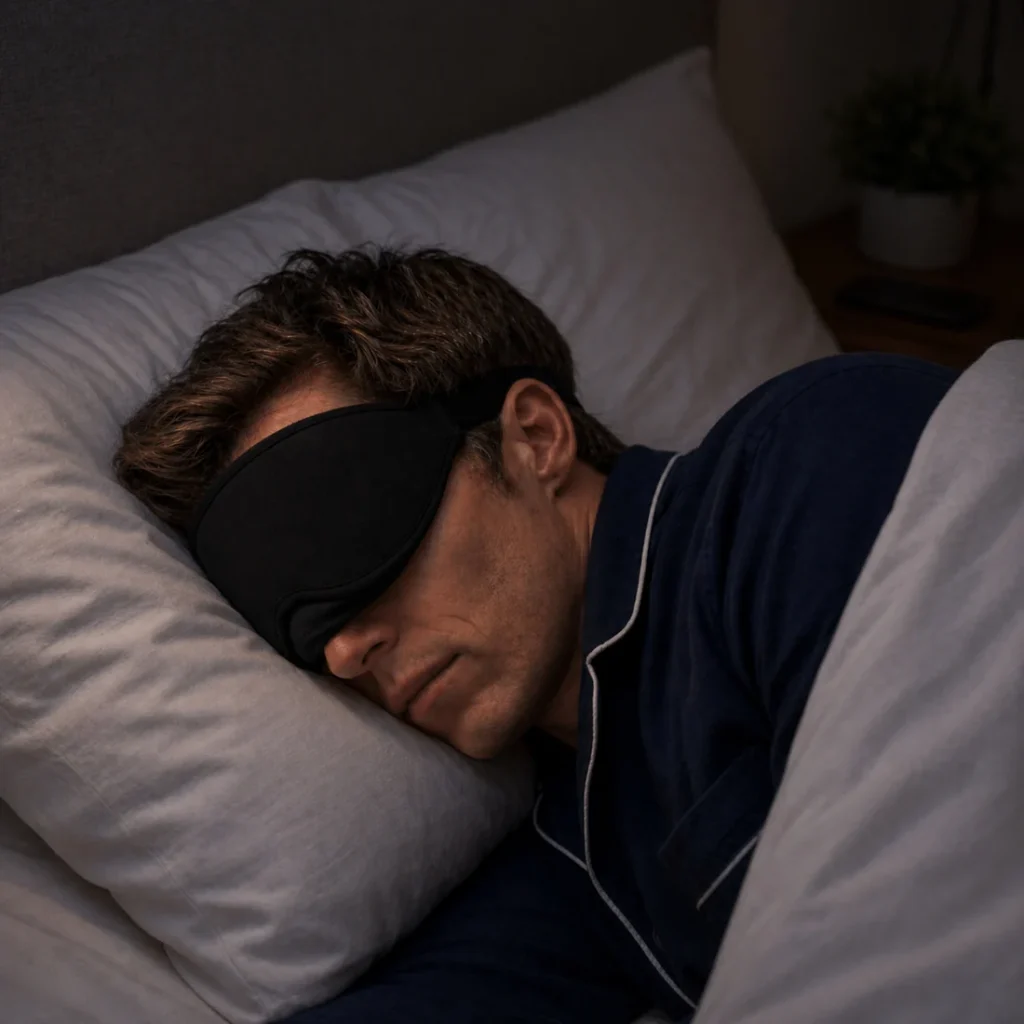
Good to know: Woven from a blend of organic cotton and lyocell, it stays cool and breathable against the skin all night.
Best for: All sleepers, including side sleepers and anyone who’s found flat masks uncomfortable.
Also used by: Raffles, Gleneagles, Claridge’s, VistaJet, NetJets.
Buying tip: Choose contoured designs which avoid pressing on eyes and eyelashes.
Where to find it: Z Lab (Night Visor®).
2. A Cooling Mattress Topper
Your core body temperature needs to drop by about 1 degree Celsius for you to fall asleep and stay asleep. This is why it’s harder to fall asleep during those hot summer nights. Sleep surfaces that trap heat, especially dense memory foam, work against that process. A breathable topper between you and the mattress can meaningfully change the microclimate you sleep in, without replacing the mattress itself.
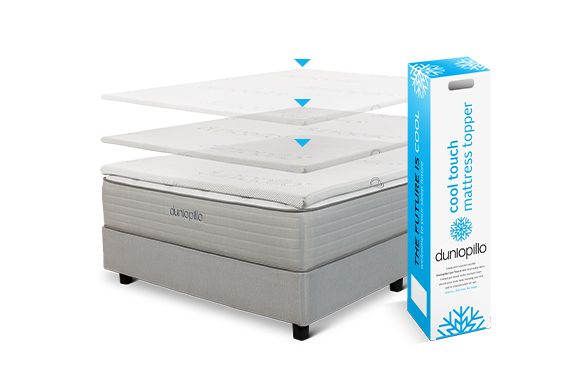
Good to know: Gel beads in the memory foam absorb your body heat, keeping you cool throughout the night.
Best for: Hot sleepers, anyone heading into summer months or on an older memory foam mattress.
Buying tip: Pair it with a cooling pillow for that extra difference.
Where to find it: Dial-A-Bed Dunlopillo Cool Touch (machine washable cover, hypoallergenic fabric).
3. Blackout Blinds or Curtains
Blackout curtains work on the same principle as a sleep mask, just scaled up to the whole room. Any light source your body can detect will suppress melatonin and fragment sleep. Plus, heavy blackout fabric can double as a sound buffer, dampening evening noise to help you wind down and drift off without distractions. It’s not total soundproofing, but it helps.
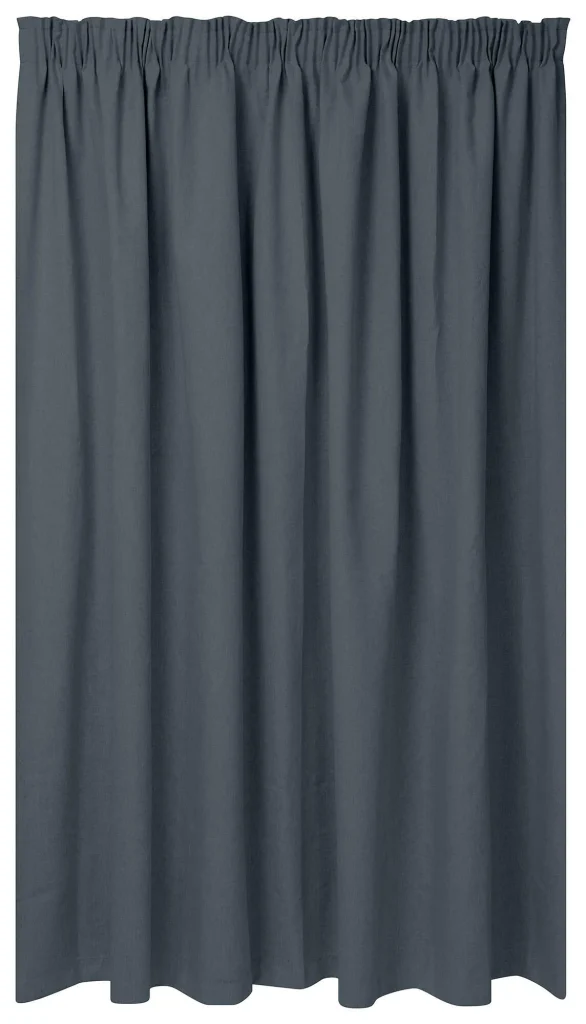
Good to know: Look for blinds with a sealed side-track or overlapping curtain panels. Any gaps at the edges let more light through than people expect.
Best for: Rooms facing streetlights, early sunrise, or security lighting.
Buying tip: Measure for curtains that extend well beyond the window frame on each side, not just wide enough to cover the glass.
Where to find it: Leroy Merlin.
4. White Noise Machine
If you live somewhere noisy, perhaps in a noisy city with traffic or an apartment block with noisy neighbours, a white noise machine can be really helpful. It works by creating a steady background hum that drowns out the sudden stuff that jolts you awake. It’s not for everyone, but if you give it a try, here are a few things to note: playing anything too loudly or all night long can actually worsen your sleep. Put the machine on a timer if possible, and keep it soft enough (around 20 dB) to help you fall asleep.
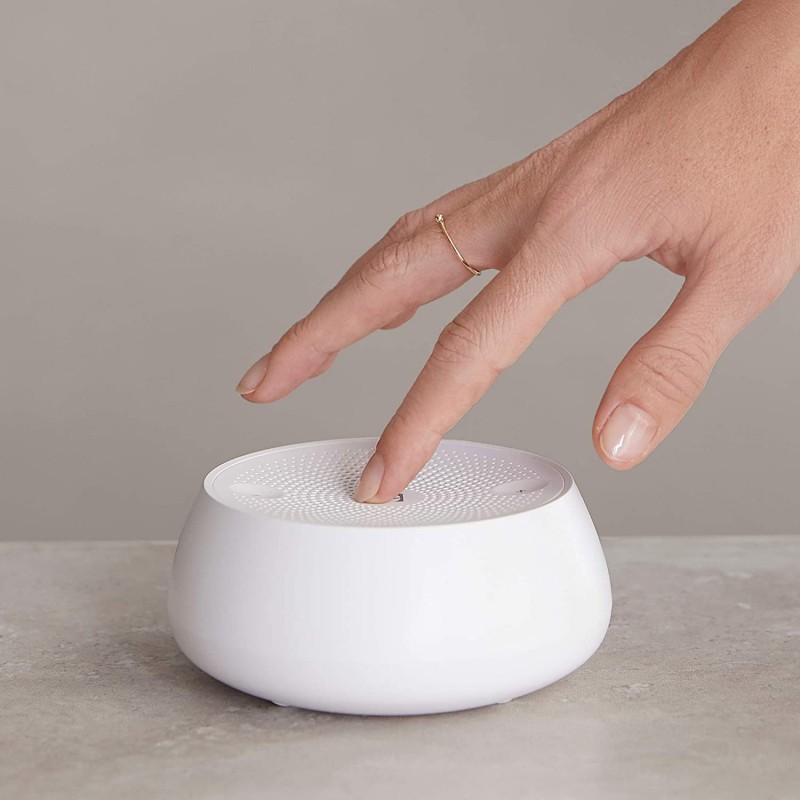
Good to know: It masks noise rather than blocking it out completely. Think of the machine as a buffer instead of soundproofing.
Best for: Light sleepers dealing with traffic or noisy neighbours.
Buying tip: Purchase a machine with a timer if possible. Go for a steady, simple, low-decibel sound.
Where to find it: Geewiz – Hatch Rest Mini White Noise Smart Sound Machine.
5. Blue-Light Blocking Glasses
We all know we should put the phone down before bed, but let’s be honest, that’s not happening every night. Blue-light glasses are the next best thing. They filter out the blue light from your screens, allowing your brain to recognise that it’s nighttime. This way, your body can start producing melatonin and winding down on schedule instead of staying wired an extra hour.
Good to know: Light affects sleep through receptors in the eye that respond most strongly to blue light at around 480nm. Blue-light-blocking glasses effectively block this light from reaching your eyes.
Best for: Anyone who’s on their phone or laptop right up until bedtime.
Buying tip: Not all tinted lenses are equal: Clear lenses aren’t actually beneficial; red lenses block the most blue light but mess with how you see traffic lights and brake lights, so Amber is the sweet spot: effective and safe to wear out and about.
Where to find it:Z Lab (Dusk Frames).
6. Scents for an Evening Wind-Down Routine
A familiar smell, plus the usual evening routine, signals to your body it’s time to wind down. That could be dimming the lights, putting your phone away and lighting a candle. It’s a simple, easy way to create a bedtime routine that feels manageable. Over time, the brain will associate its smell with bedtime and sleep.
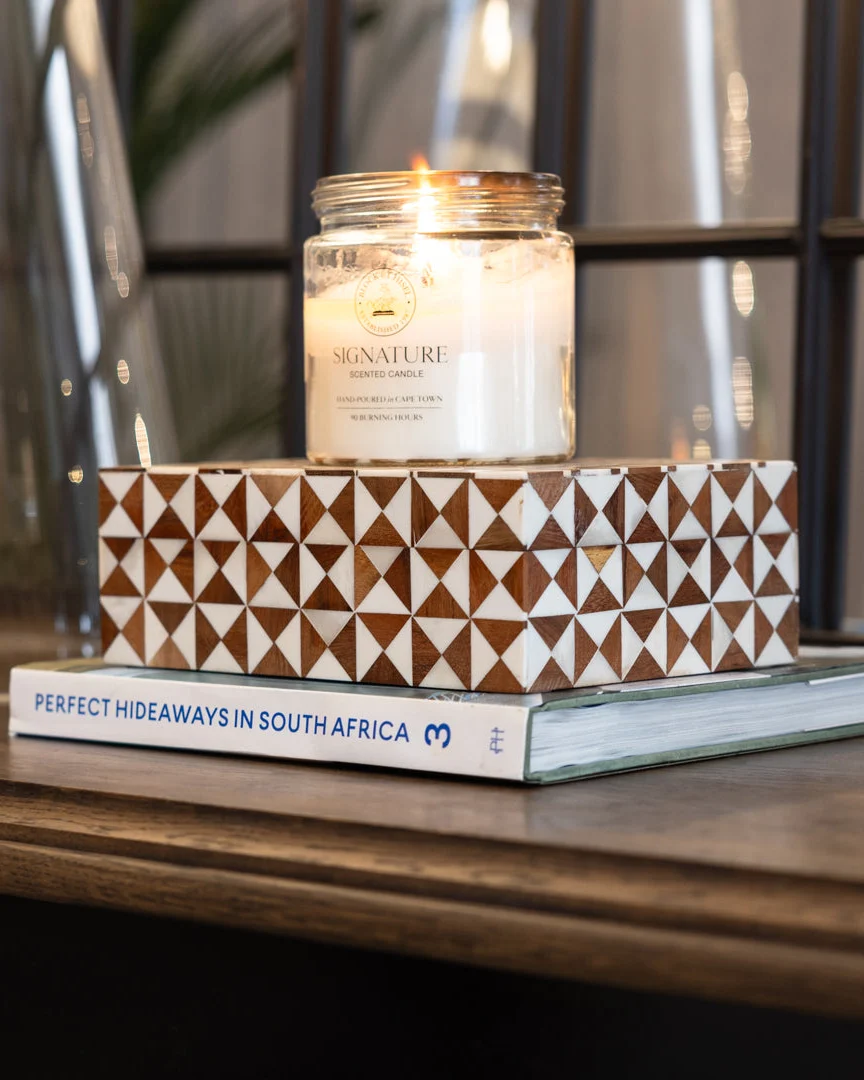
Good to know: Consistency is what makes a wind-down ritual work – same time, same cues, every night.
Best for: Building a repeatable, screen-free wind-down cue before bed.
Buying tip: A linen or pillow spray is a gentler option if you’re sensitive to fragrance.
Where to find it: Block & Chisel.
Better Sleep Starts with the Basics
Little by little, the small habits of darkness, silence, comfortable temperatures, and a regular wind-down routine all build up night after night. While none of these products is a magical solution, focusing on the basics eliminates the everyday problems that gradually degrade the quality of your sleep.