

The world of skincare has become a pretty overwhelming place. Between the endless products, trending ingredients, and advice being thrown at us on social media, it’s getting harder to know what’s genuinely good for our skin and what’s just clever marketing.
So, which skincare products are actually worth spending your money on?
We sat down with Dr Jaco Kotzé, a plastic and reconstructive surgeon at Skalpel in Cape Town, to find out. From everyday moisturisers and sunscreen to anti-ageing products and scar treatments, he shares his recommendations, what to look for in the ingredients and, importantly, who each product is best suited to.
Let’s Start with the Basics: Moisturisers
Choosing a moisturiser might seem simple, but it’s one of the products that can make a big difference to the health of your skin.
Dr Kotzé puts it into perspective: “I would put more of my budget towards a moisturiser that keeps my skin comfortable than an expensive cleanser that spends very little time on the skin.”
That’s an idea we can get behind. Simple, practical and a good reminder that expensive doesn’t always mean better.
CeraVe Moisturising Cream
If you have dry skin, CeraVe Moisturising Cream is a great place to start.
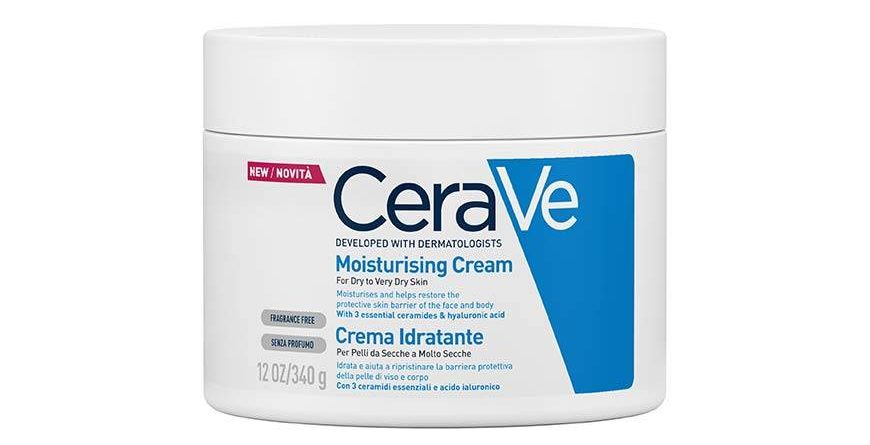
This fragrance-free formula contains ceramides, cholesterol, glycerin and petrolatum, ingredients that work together to retain moisture and support the skin’s natural barrier.
Ceramides and cholesterol are naturally found in the skin’s protective barrier, while glycerin attracts water and petrolatum helps prevent moisture loss.
It’s also a particularly useful option when introducing stronger skincare ingredients.
Dr Kotzé recommends it “when someone is introducing a retinoid and needs to keep irritation under control”.
Perile Multi-Action Face Cream
If you’re looking for hydration without having to introduce several different serums into your routine, this one’s worth considering.
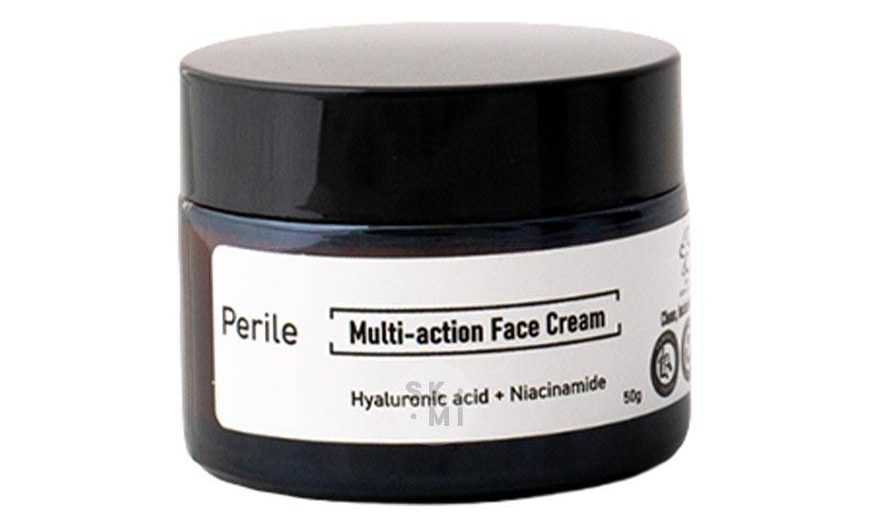
Perile Multi-Action Face Cream combines hyaluronic acid and niacinamide in an everyday moisturiser, helping to keep skin hydrated and comfortable.
Dr Kotzé recommends keeping your expectations realistic. While a good moisturiser can improve hydration and the appearance of fine lines caused by dryness, more substantial changes to wrinkles generally require additional treatments.
Think of this as your everyday multitasker rather than a miracle cream.
Optiphi Classic Barrier Repair
Finding the right moisturiser can be tricky when you have oily or breakout-prone skin. You still need hydration, but you don’t necessarily want something that feels too rich or heavy.
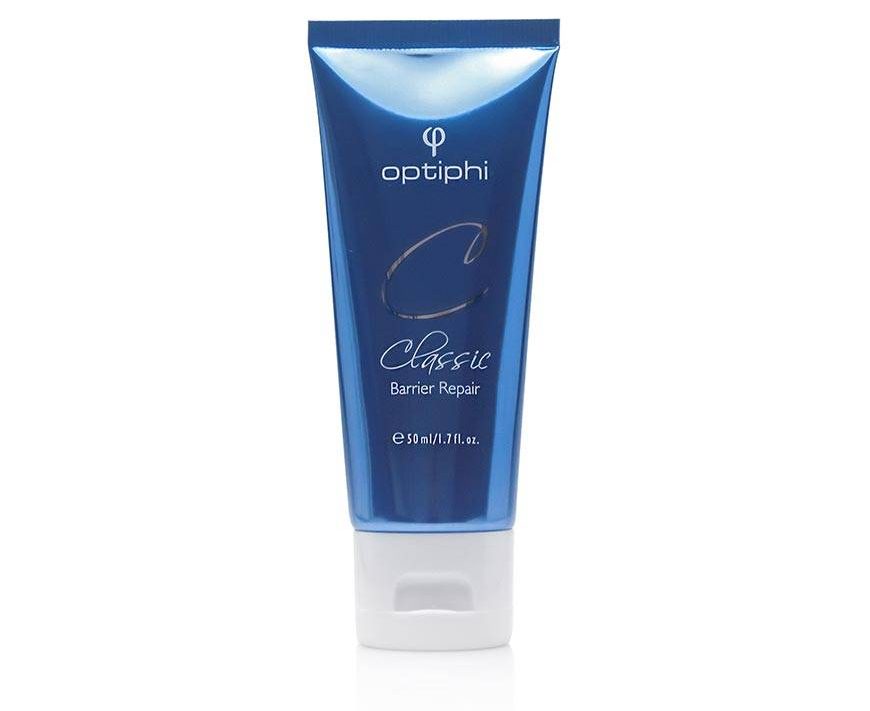
Optiphi Classic Barrier Repair contains glycerin and panthenol, alongside green capsules that help visually reduce the appearance of redness.
The subtle colour correction makes it a useful option for temporarily disguising redness, although Dr Kotzé notes that persistent redness may require more targeted treatment.
PlantCeuticals Facial Cream
If you love a richer, more nourishing moisturiser, PlantCeuticals Facial Cream could be worth a look.
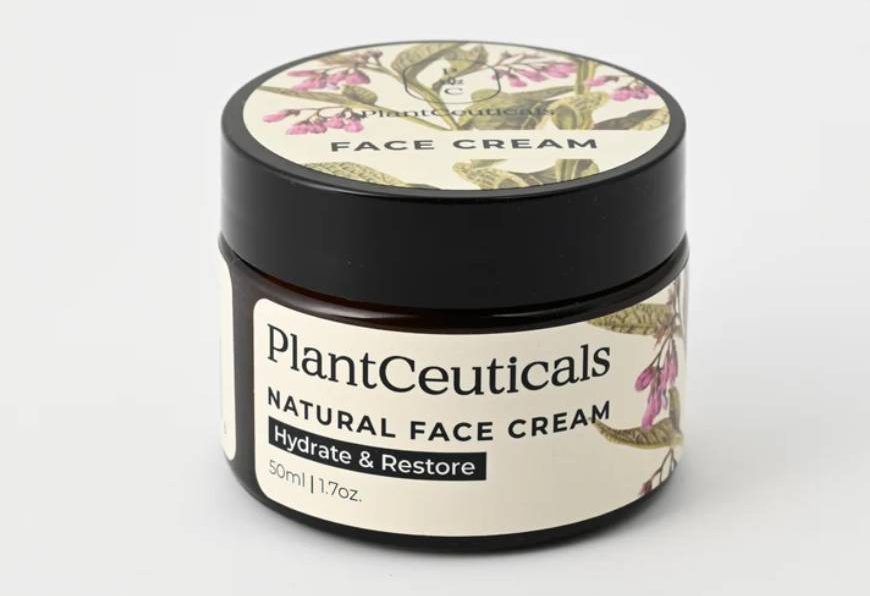
With plant oils and mango butter, it’s particularly suited to people with dry skin who enjoy a thicker, creamier texture.
There is one thing Dr Kotzé would keep in mind, though. The formula also contains rose geranium essential oil and DMSO, so he’d be more cautious about recommending it to someone with very sensitive skin.
The Skincare Essential You Shouldn’t Skip: SPF
If there’s one product that deserves a permanent place in your skincare routine, it’s sunscreen.
Sun damage accumulates over time. UV exposure damages DNA in skin cells and contributes to premature ageing, uneven pigmentation and skin cancer. And you don’t need to experience obvious sunburn for that damage to occur.
That’s why Dr Kotzé sees “sunscreen as an everyday investment in skin health”.
His advice is straightforward: choose a broad-spectrum SPF 30 or higher, reapply approximately every two hours when outdoors and after swimming or sweating, and combine sunscreen with shade and protective clothing.
For swimming and exercise, look for a sunscreen specifically labelled water-resistant.
Above all, he prioritises three things: adequate protection, comfort and consistent application.
Dr Kotzé’s Top Sunscreen Picks
CeraVe Facial Moisturising Lotion SPF 50
If you’re someone who likes to keep your morning skincare routine as simple as possible, combining your moisturiser and SPF is a great place to start.
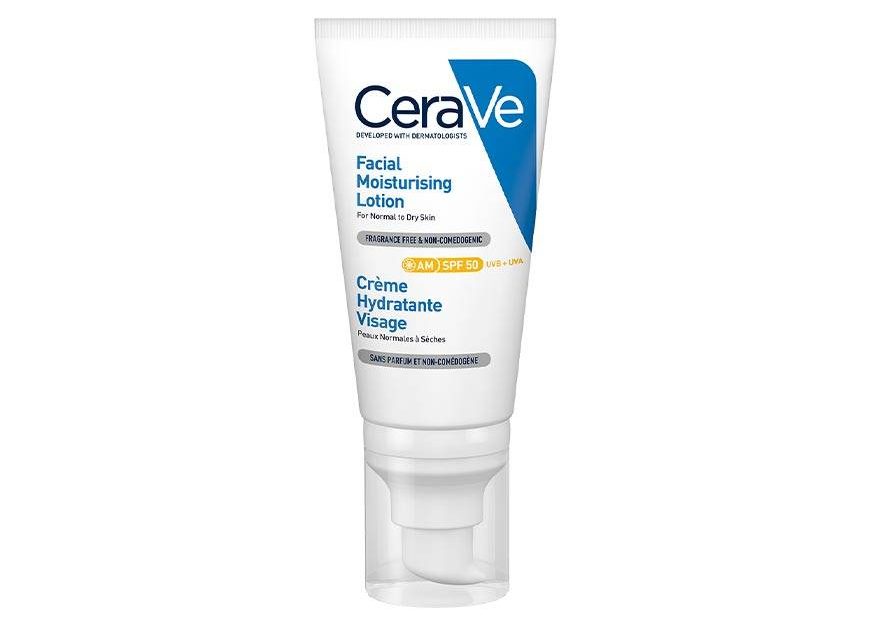
CeraVe Facial Moisturising Lotion SPF 50 offers hydration and sun protection in one product, making it a practical choice for anyone who doesn’t want to add another step to their routine.
Optiphi Skin Shield Sun Protection SPF 50
For those who prefer mineral sunscreens or spend plenty of time outdoors, Dr Kotzé recommends Optiphi Skin Shield Sun Protection SPF 50.
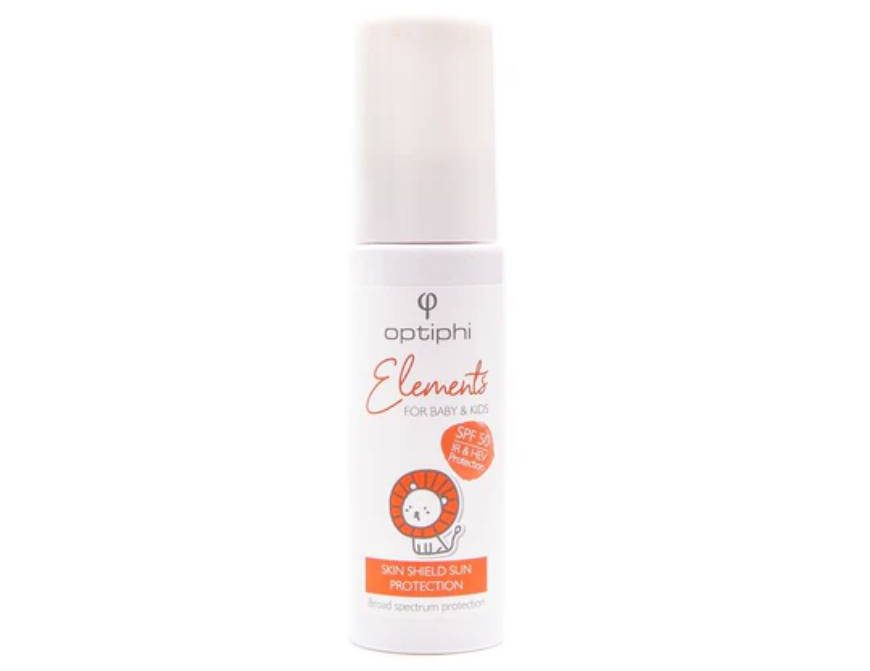
This fragrance-free mineral sunscreen offers broad-spectrum protection and is labelled as very water-resistant.
It’s marketed as an infant and child sunscreen so it’s brilliant for sensitive skin.
Skindividual Reef Friendly Sunscreen SPF 30
We love a multipurpose product, and Dr Kotzé likes the Skindividual Reef Friendly Sunscreen SPF 30 for both face and body.
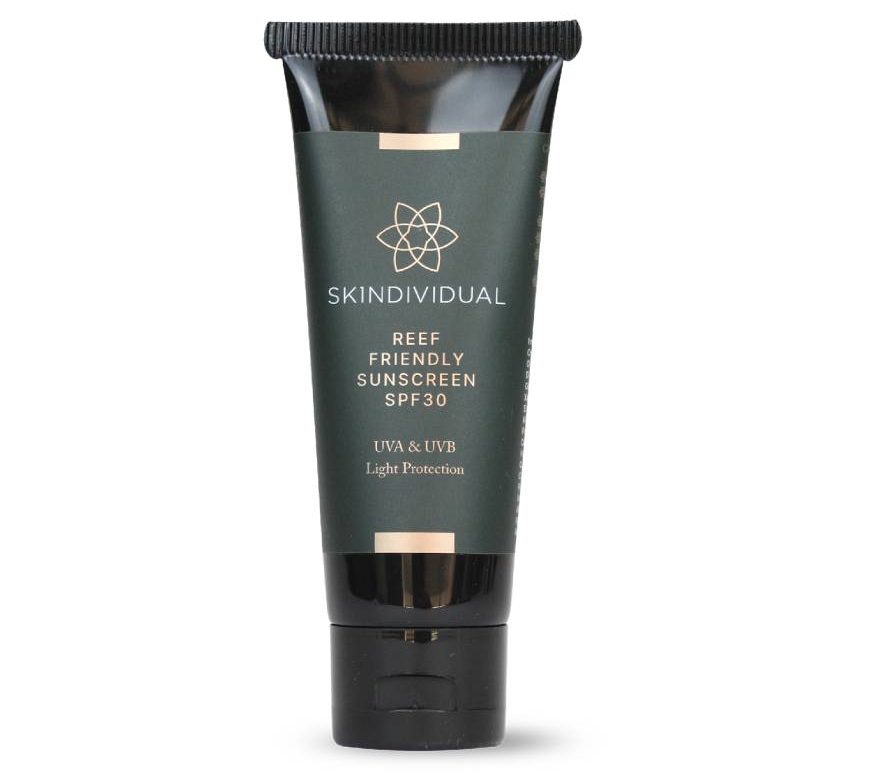
It’s a practical everyday option, particularly if you’d prefer not to buy separate sunscreens for different areas.
He also makes an important point about texture. Your sunscreen needs to feel “comfortable enough that you apply it generously and reapply it”. Because even the best sunscreen won’t do much good if you don’t actually enjoy using it.
Anti-Ageing Skincare: What Actually Works?
Anti-ageing skincare is a booming category, with new products and ingredients constantly promising smoother, younger-looking skin.
But some of the active ingredients used in these products can cause irritation, particularly when introduced too quickly.
Dr Kotzé’s advice? Start slowly, pay attention to how your skin responds and don’t assume that more products will give you better results.
CeraVe Resurfacing Retinol Serum
For anyone concerned about uneven skin texture or post-acne marks, CeraVe Resurfacing Retinol Serum is one of Dr Kotzé’s recommendations.
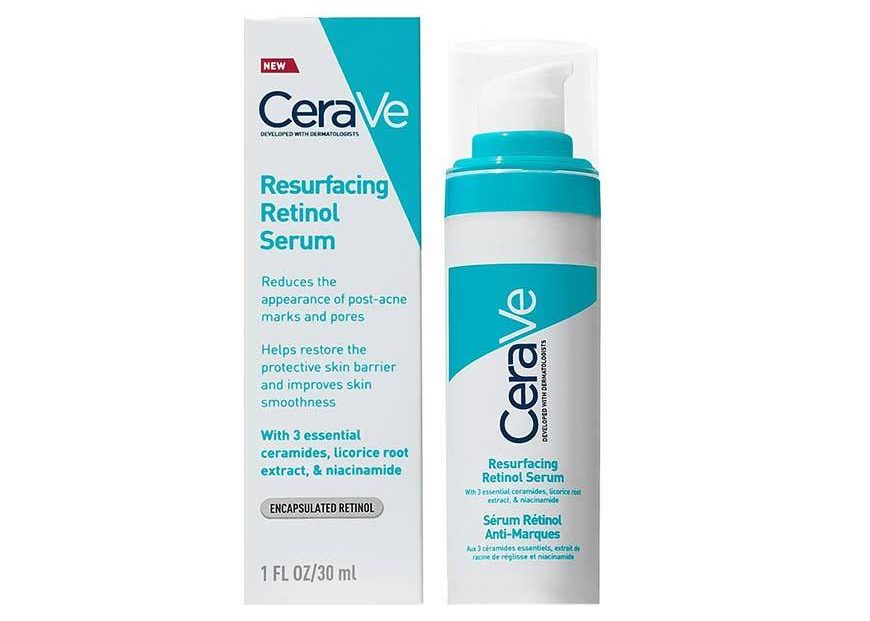
It combines retinol with ceramides and niacinamide, bringing together an ingredient that supports skin renewal with ingredients that help maintain the skin barrier.
Retinol can help improve uneven texture and the appearance of certain pigmentation concerns, but patience is important.
Dr Kotzé recommends starting with a few nights a week and gradually increasing use according to your skin’s tolerance.
And one important precaution: retinoids should be avoided before and during pregnancy.
AQ Skin Solutions Active Serum
With a keen interest in regenerative aesthetic surgery and medicine, Dr Kotzé also looks at ingredients that may support the skin’s natural repair processes.
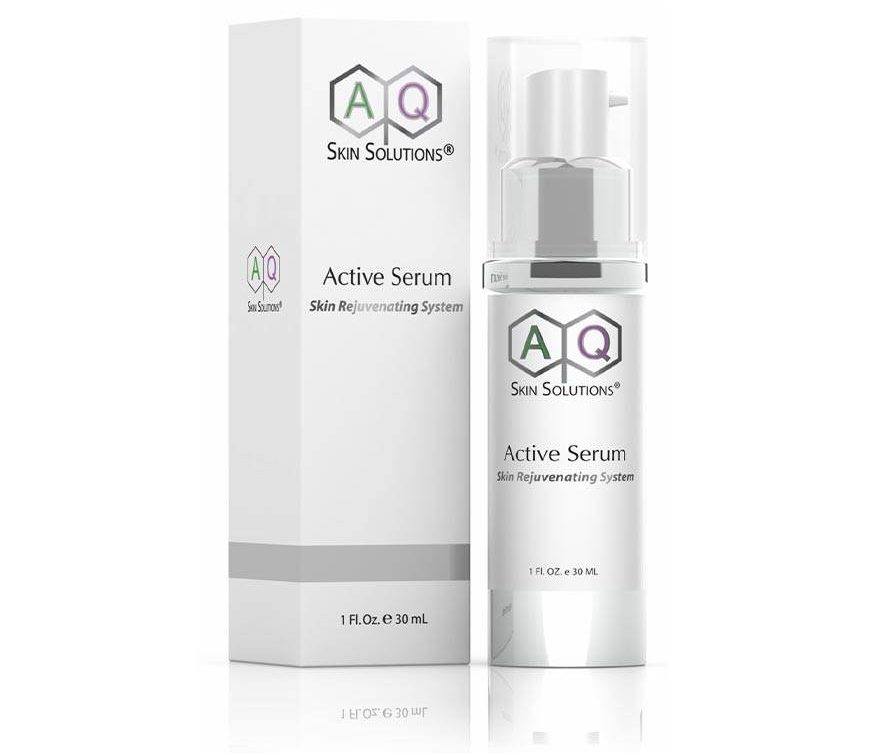
One example is AQ Skin Solutions Active Serum.
This serum contains growth factors, which act as signals between cells and play a role in processes such as skin repair and collagen production.
Topical growth factor products may help improve skin texture and soften the appearance of fine lines, although Dr Kotzé notes that the clinical evidence is still developing.
It’s an interesting area of skincare research, but one where realistic expectations are especially important.
And don’t forget: if you’re investing in anti-ageing skincare, daily sun protection remains essential.
Bonus: What About Scar Treatment?
As a plastic and reconstructive surgeon whose PhD research focused on scar biology, Dr Kotzé has a particular interest in the science behind scar treatments.
And one of the most interesting things we learnt? Not all scars are the same.
A flat mark left behind by acne is very different from a raised surgical scar or a keloid. Each has its own characteristics and may require a different treatment approach.
For fully healed surgical scars, Dr Kotzé recommends NewGel+ Clear Silicone Strips.
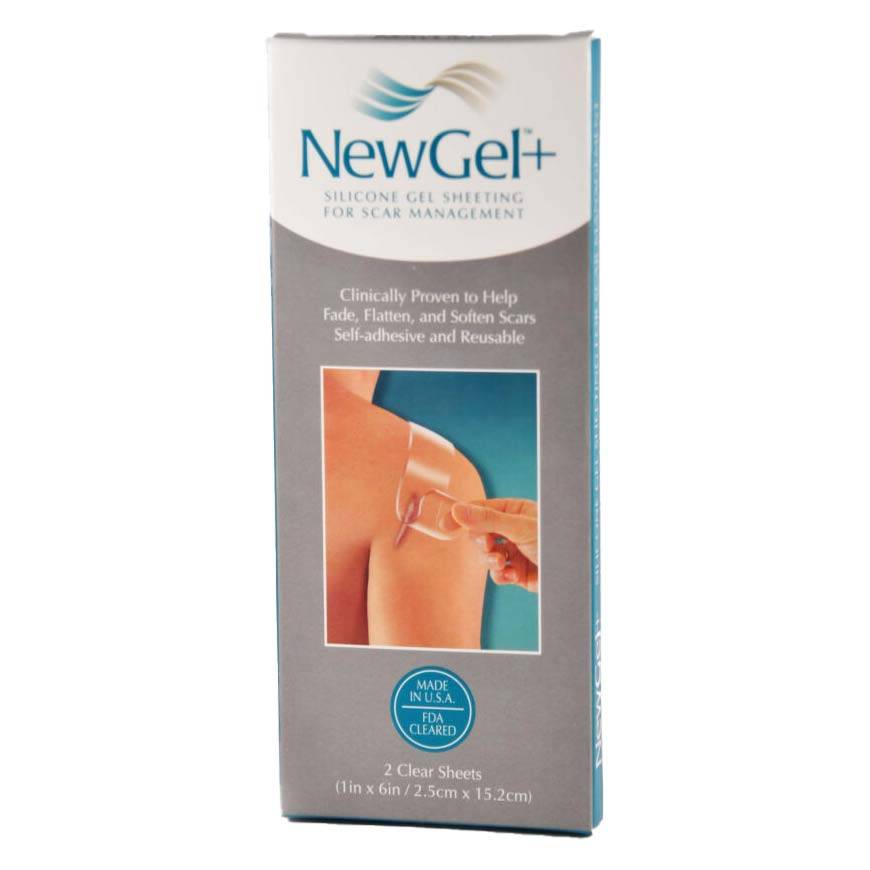
Silicone can help soften and flatten raised scars while reducing symptoms such as itching and discomfort.
But consistency matters. Results vary, and noticeable improvements may require regular use over several months.
It’s also worth getting professional advice before treating a scar, particularly if it’s raised, painful, changing or causing concern.
Good Skincare Doesn’t Have to Be Complicated
Good skincare doesn’t have to be expensive either. With Float, you can split your purchases into bite-size instalments, using your existing credit on your credit card. No interest. No fees. No sign up.
Building a good skincare routine doesn’t mean filling your bathroom cabinet with expensive products, and having to deal with the high price tag that comes with it.
Start with the basics. Find a moisturiser that works for your skin, wear sunscreen consistently and introduce active ingredients slowly.
The goal isn’t to have the most elaborate skincare routine. It’s to find the products that actually make a difference to your skin.