Being good with money isn’t about knowing complicated financial jargon or spending hours buried in spreadsheets. It’s about having the right tools to help you make smarter decisions.
Whether you’re budgeting better, tracking your spending, planning for the future, or simply trying to get more value from every rand, a few great resources can make a big difference.
Here are five tools and communities every financially savvy South African should know about.
1. FinWise
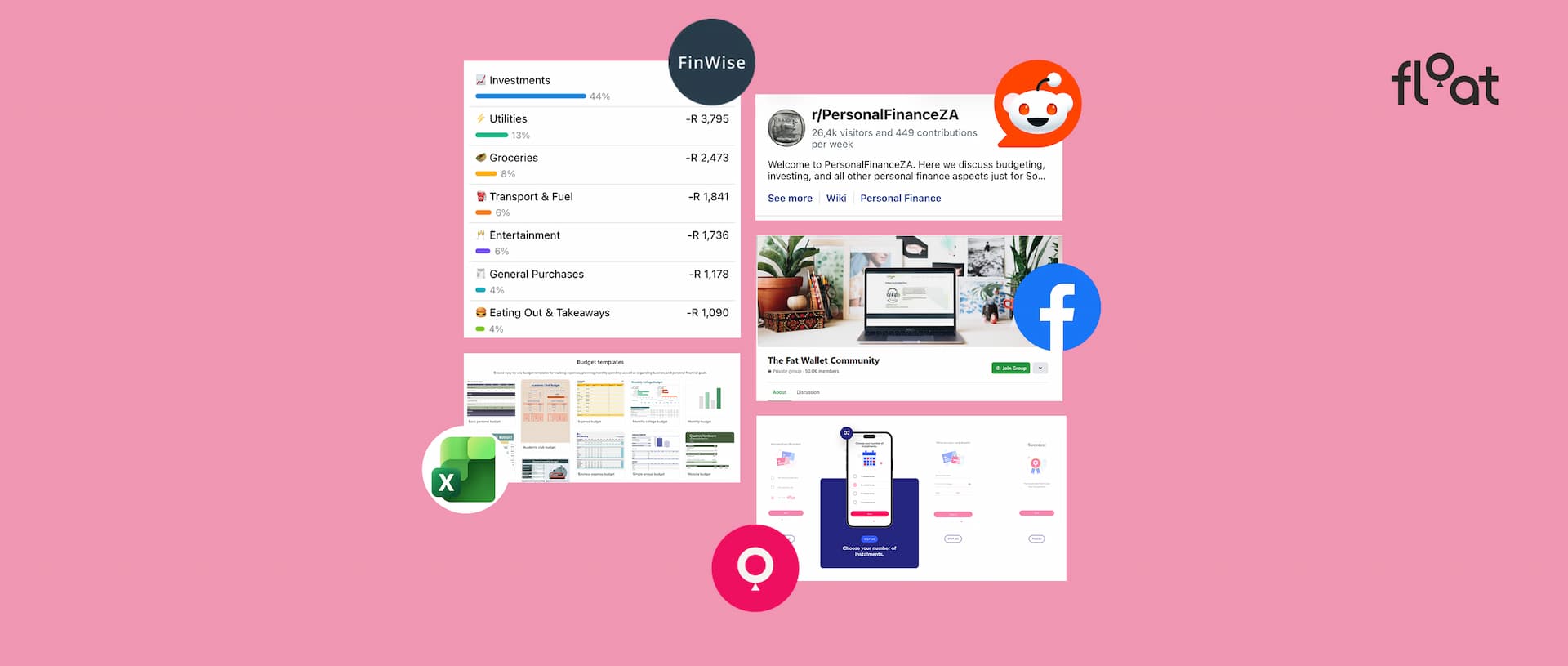
If you’ve ever wondered where your money actually goes every month, FinWise is a great place to start.
FinWise is an online platform that helps you analyse, manage, and track your finances, making it much easier to understand what’s coming in, what’s going out, and how to stick to your budget. It’s intuitive, easy to use, and takes the complexity out of managing your money.
Built by husband-and-wife team Jason and Nicol Russell, FinWise has created a loyal community of users who regularly engage through platforms like X and Reddit. FinWise is independently owned and funded by its subscribers, with a strong focus on privacy and data security.
Designed specifically for South Africans, it now supports multiple currencies. FinWise doesn’t connect directly to your bank, it uses secure third-party services that only allow it to read your transaction data, not move money or make changes, which reduces security
2. r/PersonalFinanceZA.
Sometimes the best financial advice comes from people who’ve been in exactly the same position as you.
r/PersonalFinanceZA is a subreddit on Reddit where South Africans discuss budgeting, investing, debt, tax, retirement planning, and everything in between. Whether you’re deciding where to open a TFSA, wondering if you’re on the right track with your investments, or simply looking for budgeting advice, chances are someone has already asked the same question.
Their wiki is an excellent starting point, packed with practical resources and answers to frequently asked questions. And if you still can’t find what you’re looking for, you can ask the community directly and get advice from people who understand the South African financial landscape.
3. Fat Wallet Community.
Not every great financial resource needs to be an app.
The Fat Wallet Facebook Community has more than 50,000 members and is a treasure trove of great resources for sharing practical money tips, personal experiences, and advice on everything from investing to finding the best deals. It’s made up of people with the same goal: to have a fat wallet.
One of the things that makes the community so valuable is that the conversations are grounded in real life. Members openly share what has (and hasn’t) worked for them, helping others make more informed financial decisions. Much of the discussion centres around long-term investing, smart spending, and building wealth over time, rather than chasing the latest trend or trying to outsmart the market.
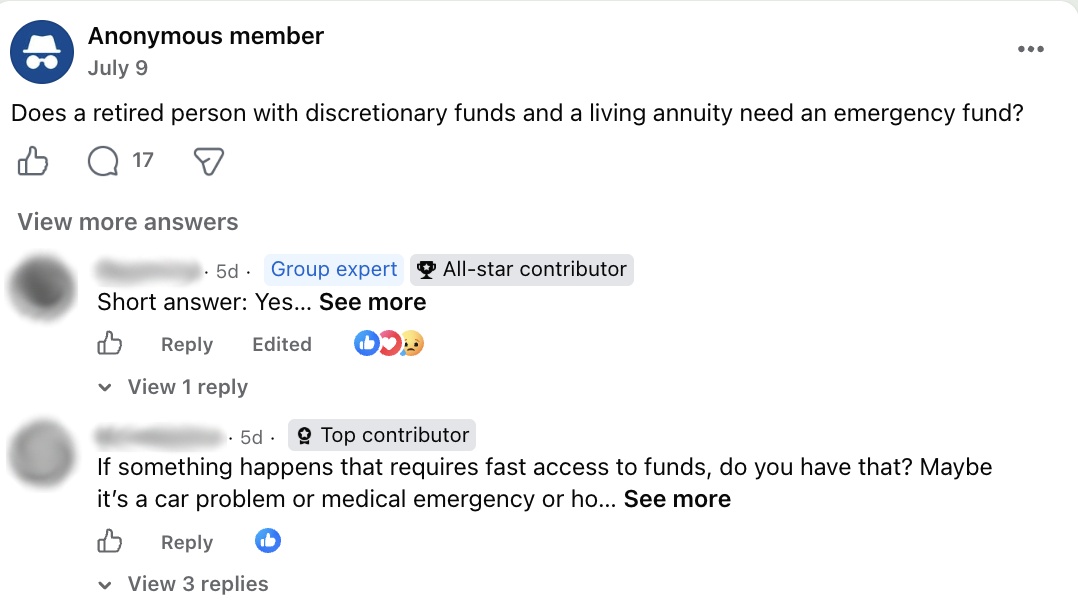
If you’re looking for real-life advice from everyday South Africans, it’s well worth joining the conversation.
4. Excel
It might not be the newest tool on this list, but there’s a reason Excel has stood the test of time: it simply works.
When it comes to tracking spending, building a budget, planning savings goals, or monitoring investments, Excel remains one of the most powerful personal finance tools available. Unlike many budgeting apps, you’re in complete control of how your spreadsheet looks and what you track. No subscriptions, no limitations, and no unnecessary features you’ll never use.
You don’t need to be an Excel expert to get started either. There are hundreds of free budgeting templates available online, making it easy to build a system that works for you. And as you become more familiar with it, you can customise it to suit your financial goals.
Sometimes the simplest tools really are the best!
5. Float
Being good with money isn’t about avoiding spending altogether. It’s about spending smart enough that the purchase doesn’t come with a side of dread.
That’s where Float comes in. Here’s the part most people miss: your credit card gives you up to 55 days to pay a purchase back. Float stretches that to as many as 24 months, interest- and fee-free, using the credit you already have. No new credit, no unnecessary paperwork, no extra complexity.
It’s a smarter way to use the credit you’ve already been approved for. You get the flexibility to spread the cost of larger purchases, and because you’re using your existing card responsibly, it can even help keep your credit score healthy.
Financially savvy people know that good money habits aren’t just about budgeting. They’re about making your money work harder for you. Float helps you do exactly that, turning your existing credit card into a more flexible financial tool.
Make Smart Choices
Earning money is only half the equation. Getting the most value from it comes down to the decisions you make every day.
Whether it’s budgeting better, learning from others, or keeping track of your spending, the right tools make managing your finances a whole lot easier.
And when it comes time to spend, spend strategically. Float lets you use the credit you already have to split eligible purchases into interest-free instalments, making it easier to buy what you need without compromising your financial goals.
Looking for a smarter way to spend? Choose Float at checkout.